
Army Steals It Late, Edges UTSA 27–24 in Alamodome Thriller
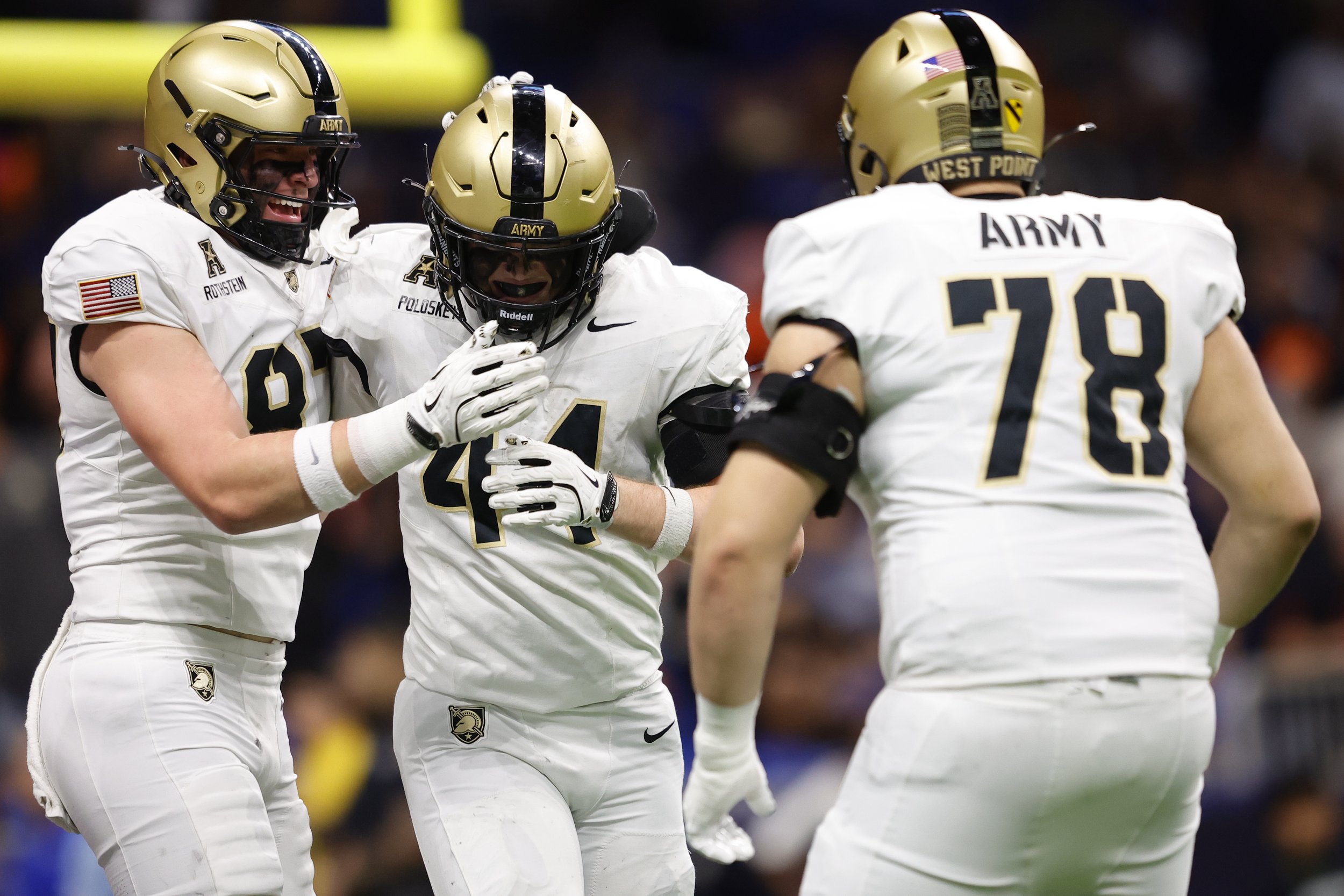
The matchup between Army Black Knights football and UTSA Roadrunners football on November 29, 2025 in the Alamodome delivered a clash of contrasting styles from the opening kickoff. Army arrived committed to its disciplined triple-option offense, while UTSA leaned on speed and explosive passing plays. From the first play, UTSA showed urgency, moving the ball efficiently and setting the tone with a fast-paced attack. Their opening drive culminated in a touchdown, giving the Roadrunners an early 7–0 lead and energizing the home crowd. Army responded immediately by taking control of the game’s tempo. The Black Knights leaned into their ground-heavy scheme, using methodical drives to wear down the UTSA defense and limit the Roadrunners’ offensive opportunities. Early defensive stands were crucial. Army’s front seven demonstrated discipline, maintaining gap integrity and keeping UTSA from gaining consistent yardage, while the Roadrunners’ defensive line tried to disrupt the triple-option with aggressive pursuit.
Army’s offense began finding success in short, consistent gains, converting key third downs and moving steadily into UTSA territory. Their offensive line dominated the line of scrimmage, creating lanes for backs to pick up significant yardage on inside runs. UTSA remained patient, using a mix of short passes and occasional designed runs to stretch the field and force Army’s defense to stay disciplined in coverage. The contrast in approach was apparent with every snap. In the second quarter, Army scored its first points on a sustained drive that drained valuable clock and brought the game to 7–7. The score reflected not just points, but the strategic advantage of controlling possession time. UTSA answered with a field goal, maintaining a slight edge and demonstrating the effectiveness of their balanced attack against a disciplined Army defense. Time of possession began to tilt increasingly toward Army. The Black Knights consistently held the ball for extended drives, limiting UTSA’s chances and forcing the Roadrunners to play catch-up.
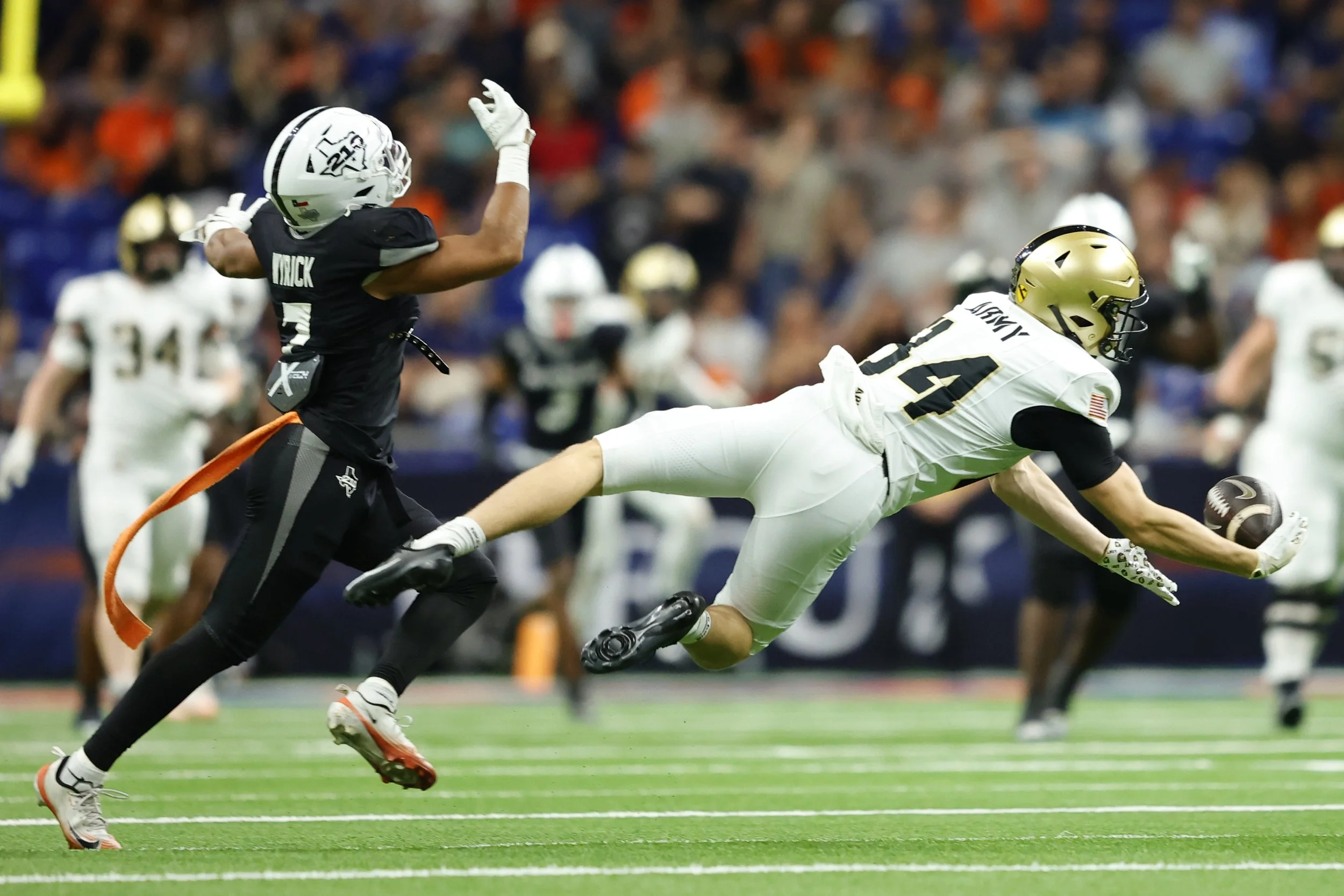
The first half closed with UTSA holding a narrow lead, 10–7, but Army had begun asserting itself through control, physicality, and smart clock management. Halftime adjustments emphasized each team’s identity. Army focused on sustaining drives and exploiting defensive fatigue, while UTSA looked to create explosive plays to swing momentum back their way. Early in the third quarter, Army increased the intensity of its rushing attack, with backs consistently picking up positive yardage. Each gain further drained UTSA’s defense and lengthened their time on the field. UTSA struggled to stop the triple-option at times, often committing additional defenders to contain the run and leaving vulnerabilities in the secondary that Army began to exploit. Army’s third-quarter drives were methodical and clock-consuming, with several exceeding ten plays and consistently moving the chains. The cumulative effect began to wear on UTSA’s defensive front.
Despite Army’s control, UTSA found success through the air, connecting on intermediate routes to move into scoring position on multiple occasions. Their precision passing kept the game competitive despite Army’s dominance in the trenches. Army struck again late in the third quarter with a touchdown that gave them a 14–10 lead, highlighting the payoff of disciplined, sustained drives and effective execution in the red zone. UTSA quickly answered with a touchdown drive to reclaim the lead, 17–14, setting the stage for a tense fourth quarter where execution and composure would determine the outcome. Army maintained its philosophy, focusing on the run and controlling each play with precision. The quarterback managed the pace, avoiding mistakes and distributing the ball effectively when necessary. UTSA leaned heavily on passing to counter Army’s run dominance, using quick throws and occasional deep shots to stretch the field. While effective in yardage, they struggled to capitalize fully in the red zone.
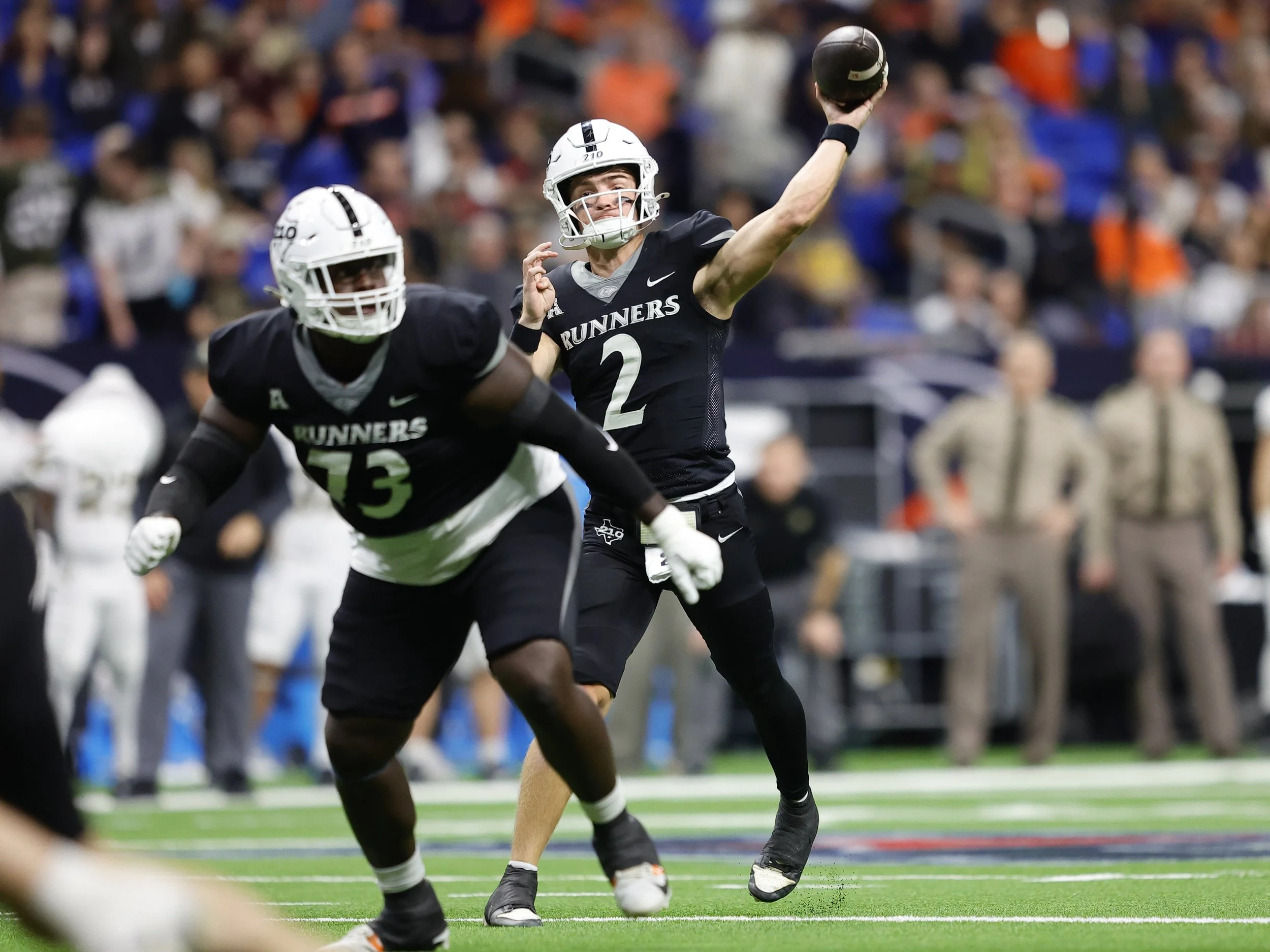
The fourth quarter opened with UTSA attempting to extend their lead, but Army’s defense held firm, forcing field goals and limiting touchdowns, keeping the Black Knights within striking distance. Army’s drives grew increasingly strategic, with every snap measured to maintain possession, manage the clock, and create high-leverage situations. Their offensive line continued to dominate, opening consistent running lanes. UTSA scored again late in the fourth quarter to take a 24–20 lead with under three minutes remaining, energizing the crowd and appearing to put the game in their hands. Army responded with a critical drive, combining clock control, precision, and patient execution. A 13-play, 75-yard march downfield consumed over six minutes and positioned them for a defining play. Key third-down conversions kept the drive alive. Army’s offense executed flawlessly under pressure, never breaking rhythm despite the magnitude of the moment.
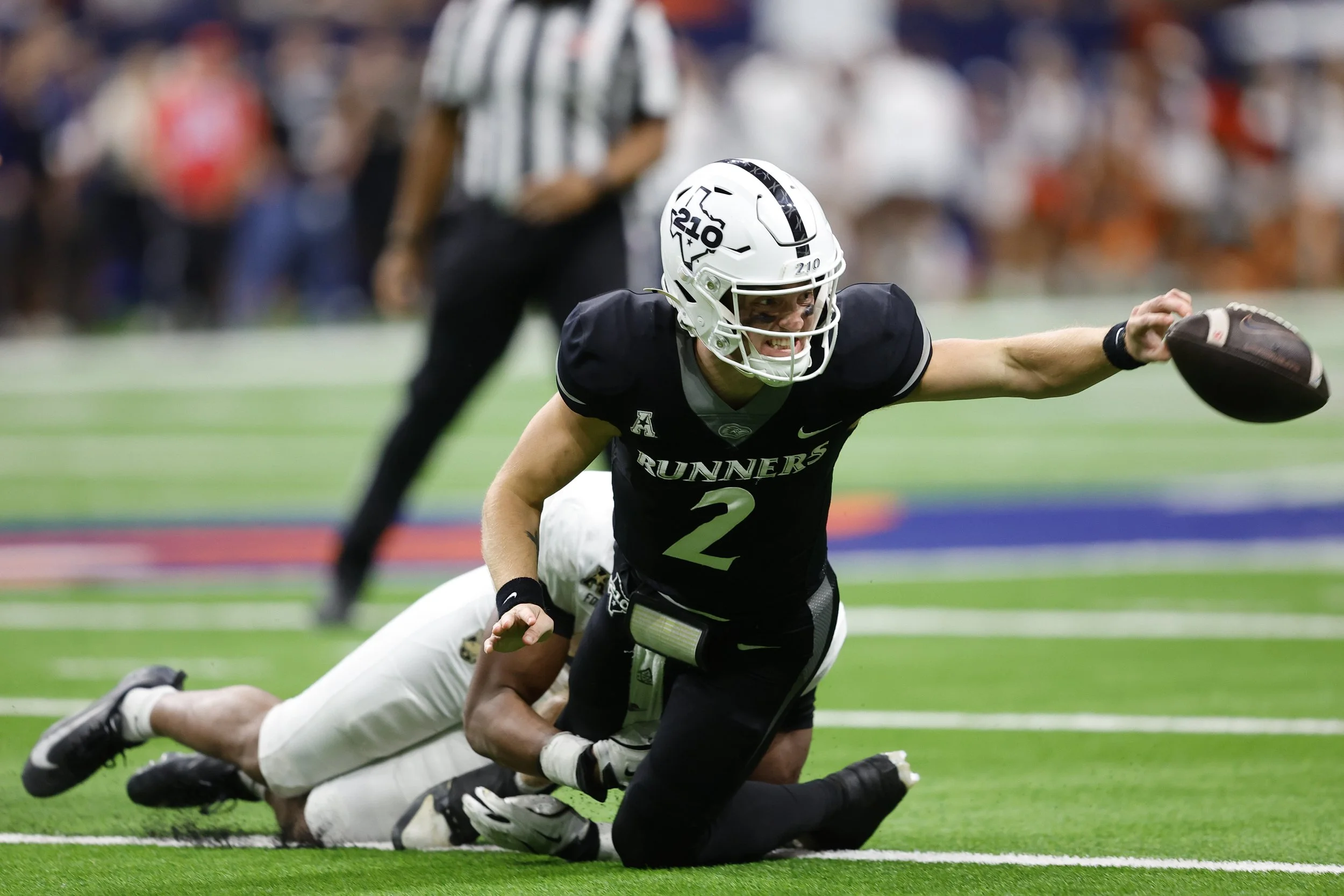
The defining play came near the goal line when Army, in a rare passing situation, threw a 4-yard touchdown to take the lead 27–24. It was the perfect blend of surprise, execution, and timing. UTSA’s offense had one final possession to answer, moving into Army territory in search of a tying score. Army’s defense, however, held strong. They prevented any explosive plays and maintained disciplined coverage, shutting down UTSA’s final opportunity. The final whistle confirmed Army’s 27–24 victory, completing a comeback built on patience, execution, and clock management. Statistically, Army dominated possession, holding the ball for over 30 minutes and rushing for more than 200 yards, highlighting their control and consistency. UTSA gained significant yardage through the air but had fewer possessions, which ultimately limited their ability to dictate the game. Army’s quarterback played efficiently, making smart decisions and avoiding costly mistakes, especially on the final drive.
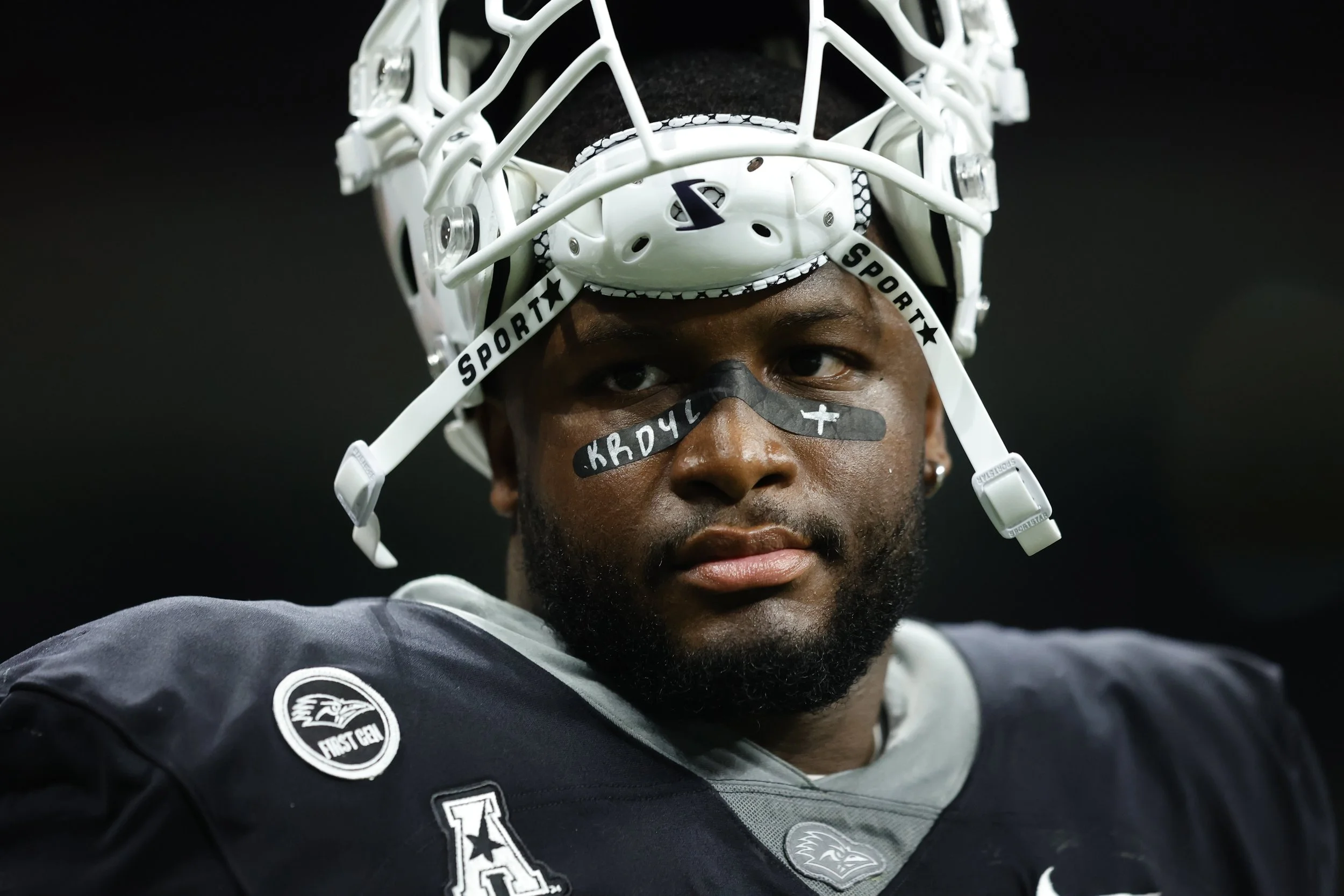
The offensive line was pivotal, controlling the line of scrimmage and enabling long, methodical drives that wore down the UTSA defense. UTSA demonstrated resilience, answering Army’s scores, but could not sustain momentum when it mattered most. Army’s defense in the closing minutes executed flawlessly, preventing big plays and forcing UTSA to settle for unproductive drives. Turnovers were minimal on both sides, emphasizing disciplined football, but Army capitalized in critical moments to secure the win. Penalties were limited, reflecting Army’s disciplined approach to both offense and defense. Time management was a deciding factor, with Army’s long drives forcing UTSA to play in a compressed window and limiting scoring opportunities.
The touchdown pass by Army late in the fourth quarter showcased their ability to mix in the air game when necessary and execute in high-pressure situations. UTSA’s final drive failed to produce a tying score due to Army’s preparation and assignment-sound defense. The game showcased the contrast between Army’s patience and control versus UTSA’s speed and explosiveness. Army’s victory underscores the importance of executing a game plan, converting key downs, and performing under pressure. UTSA’s offensive firepower kept the game close but lacked enough possessions to overcome Army’s methodical approach. Special teams played a supporting role, maintaining field position and avoiding costly mistakes. Coaching adjustments throughout the game ensured Army remained disciplined, sticking to its identity and executing when needed. The matchup serves as a textbook example of how time of possession, discipline, and execution can define the outcome in a close game. Army’s players demonstrated poise under pressure, showing why preparation and identity can outweigh raw athleticism in late-game situations. UTSA will take positives from the performance, including yardage and resilience, but must reflect on limited opportunities and critical moments that slipped away.
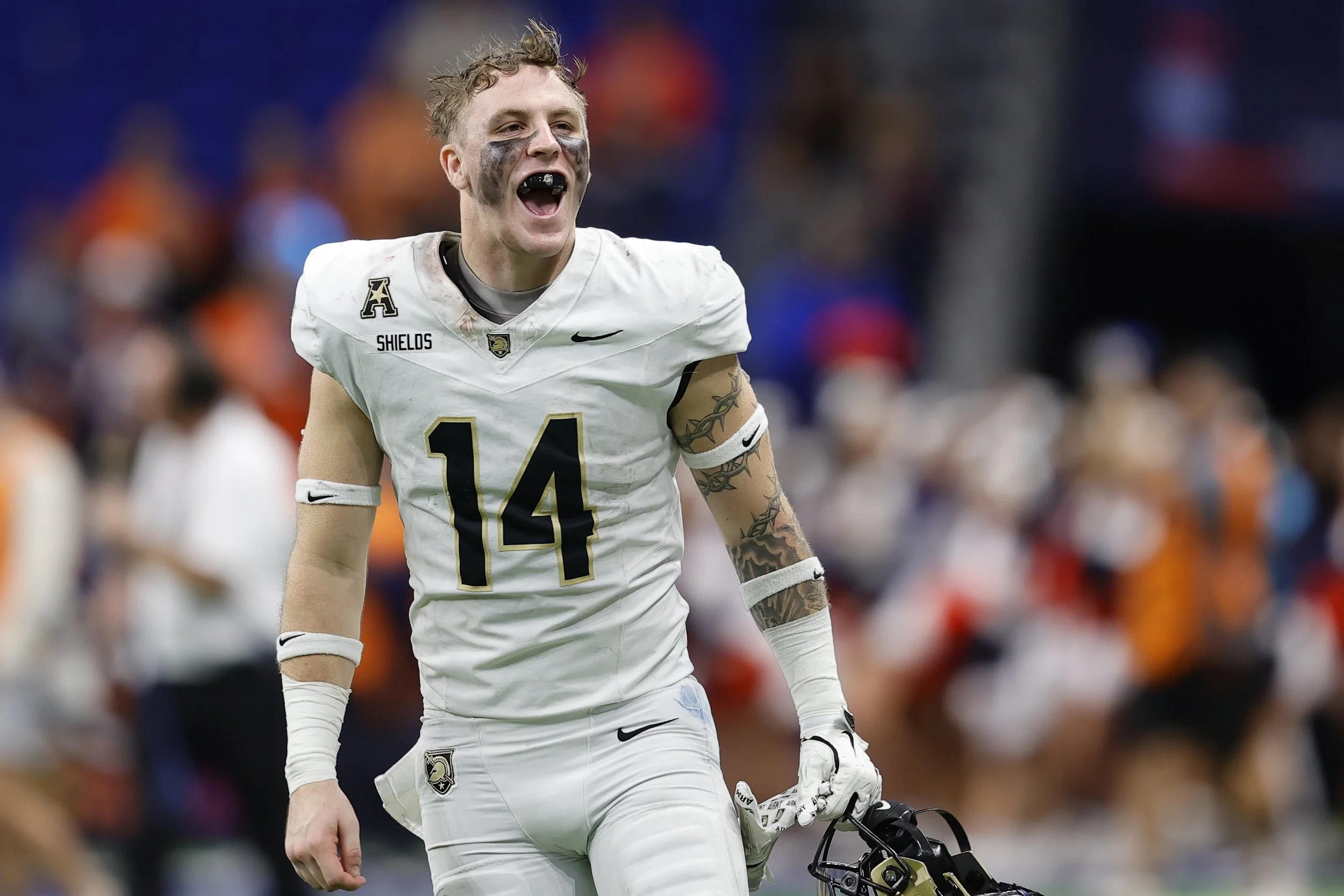
In the end, Army Black Knights football walked out of San Antonio with a 27–24 victory, a result of methodical execution, disciplined play, and a game-winning drive that exemplified everything the program stands for.