Alamo Bowl: How USC Let It Slip and TCU Took It
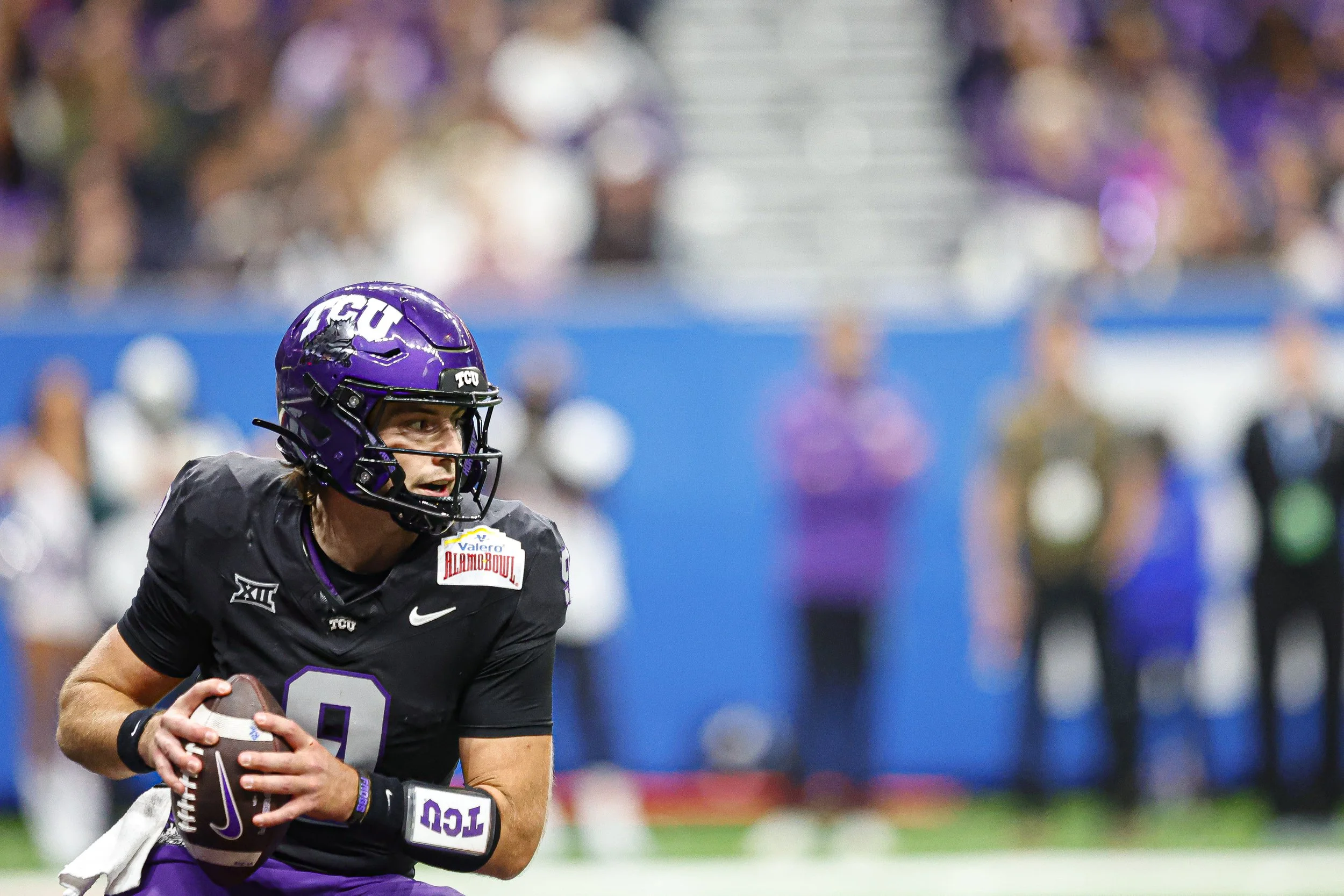
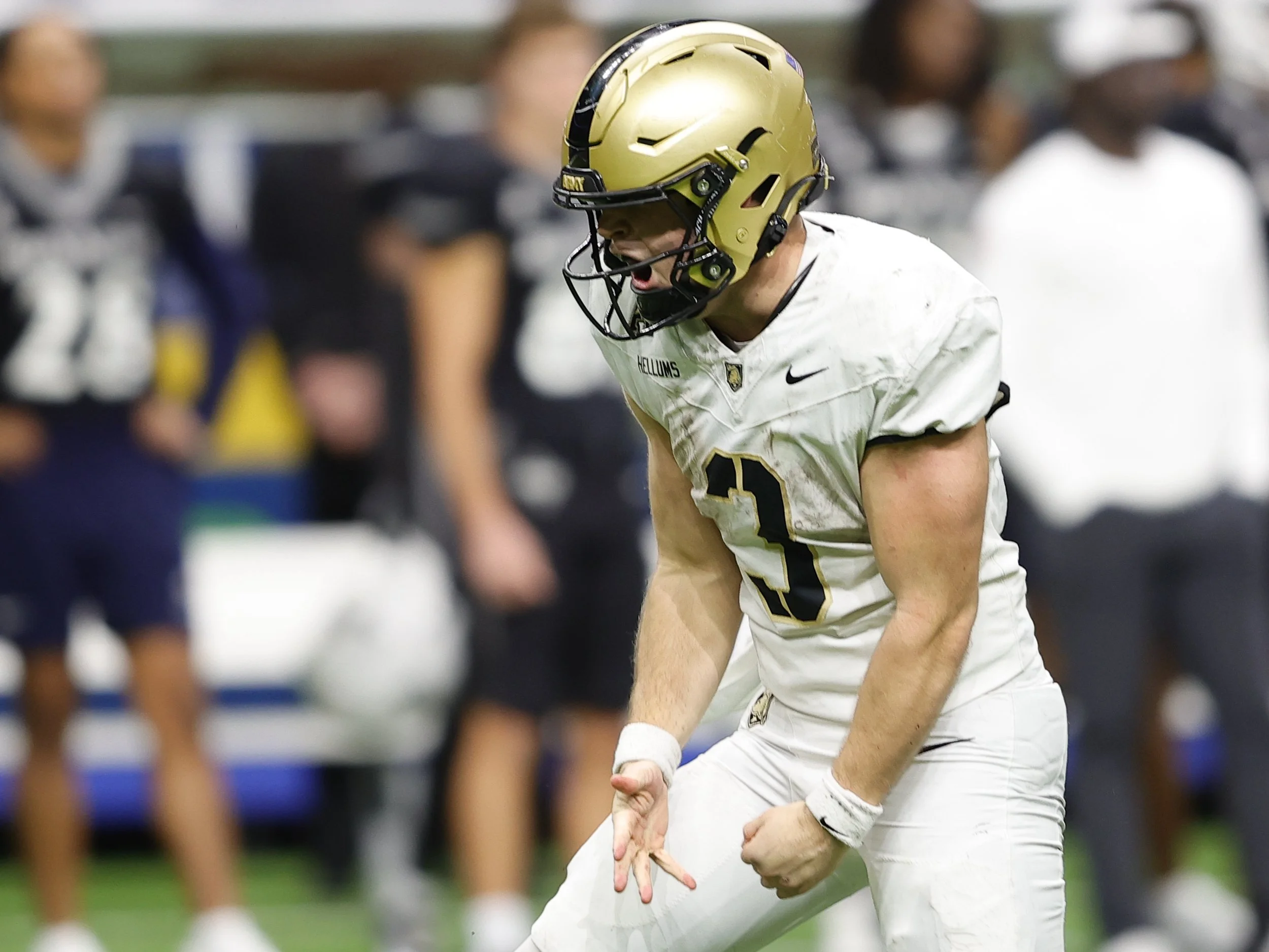
The 2025 Valero Alamo Bowl came down to execution, not spectacle. Inside the Alamodome, USC and TCU played a game that swung slowly before snapping all at once. What looked like a controlled finish for the Trojans became a defining comeback for the Horned Frogs.
USC entered the matchup ranked and favored, carrying the expectation of closing the season with a statement win. Early on, they looked the part. The Trojans moved the ball efficiently, took advantage of field position, and built a lead while keeping TCU from finding any early rhythm.
Despite that control, USC left points on the field. Turnovers disrupted drives, stalled momentum, and repeatedly gave TCU short fields. Even so, USC still held the advantage at halftime, leading by a single point and appearing positioned to separate in the second half.
The Trojans extended their lead after the break, highlighted by a one-handed touchdown catch that momentarily silenced any thoughts of a comeback. At that point, USC had done enough to win — but not enough to finish.
TCU stayed patient. The Horned Frogs didn’t force big plays or abandon balance. They leaned on their run game, trusted their protection, and waited for USC to open the door. That discipline kept the deficit manageable heading into the fourth quarter.
The turning point came late. TCU found the end zone to cut into the lead, then relied on its defense to get the ball back one more time. A clutch field goal as time expired tied the game at 27 and sent it to overtime, shifting momentum entirely.
Overtime magnified the difference between the two teams. USC struck first but settled for a field goal, leaving the margin thin. In a game defined by missed chances, that decision proved costly.
TCU responded without hesitation. On third-and-long, backup quarterback Ken Seals checked the ball down to running back Jeremy Payne. What followed was the defining moment of the night — broken tackles, open field, and a 35-yard walk-off touchdown that ended the game instantly.
The numbers reinforce the story. TCU outscored USC 10–0 in the fourth quarter and overtime. USC’s turnovers directly influenced momentum, while TCU capitalized on nearly every late opportunity it was given.
In the end, the Alamo Bowl wasn’t about which team had more talent. It was about who stayed composed when the margin disappeared. TCU believed, USC blinked, and the result was a 30–27 finish that turned control into regret and patience into celebration.
James Madison Overpowers Texas State in 52–20 Road Win
Texas State couldn’t keep pace with James Madison on October 28 in San Marcos, as the Dukes took control early and never let up, cruising to a 52–20 victory in Sun Belt Conference play.
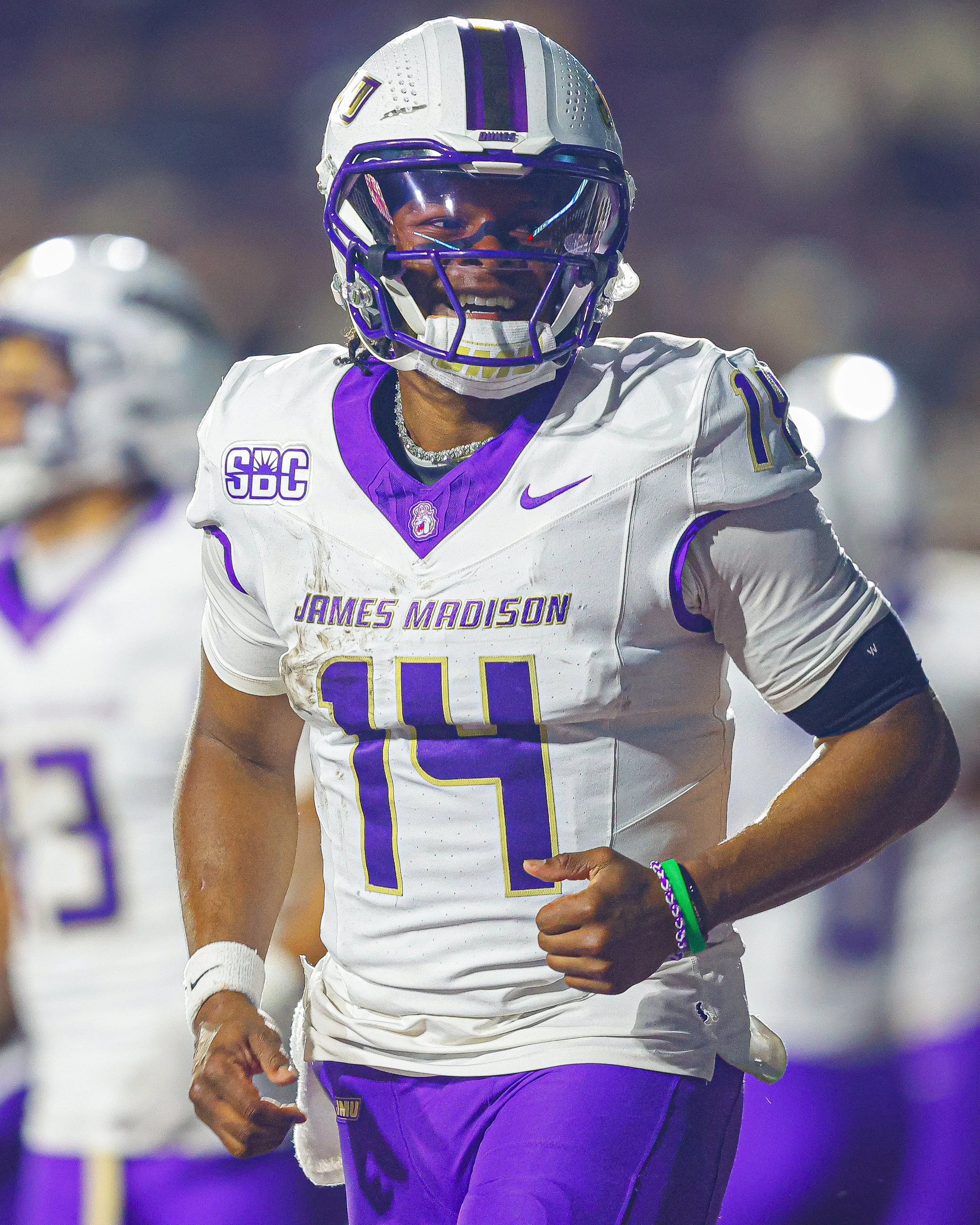
From the opening drive, James Madison looked sharp and in rhythm. Quarterback Alonza Barnett III led two quick scoring series — first finding Nick DeGennaro for a six-yard touchdown, then setting up Jordan Fuller’s short rushing score — to put the Dukes ahead 14–0 in the first quarter.
Texas State showed flashes of life in the second. Freshman quarterback Brad Jackson hit receiver Mavin Anderson on a 14-yard strike for Anderson’s first touchdown of the season. Jackson added a rushing touchdown later in the quarter, and kicker Tyler Robles drilled a 36-yard field goal before halftime, trimming the deficit to 28–20.
But the second half belonged entirely to James Madison. Just minutes into the third quarter, Barnett connected again with DeGennaro on a 76-yard deep ball that broke the game open. Moments later, a Texas State turnover turned into another Dukes touchdown as their defense capitalized with a short field to make it 42–20.
From there, the Bobcats never recovered. The Dukes’ defense tightened, shutting out Texas State the rest of the way while adding two more scores to seal the dominant win. By the final whistle, JMU had rolled up over 500 yards of total offense compared to the Bobcats’ 352.
Barnett was the difference-maker all night, finishing with 264 yards and four touchdown passes while also rushing for 98 yards and another score. His command of the offense kept the Bobcats off balance throughout.
Jackson led Texas State with 230 passing yards and one touchdown, but his three interceptions proved costly. He added a rushing score, but the offense struggled to sustain drives after halftime.
On defense, Texas State’s Ryan Nolan led the team with seven tackles, while Jaden Rios picked off his first pass as a Bobcat. Still, the group couldn’t slow a balanced JMU attack that consistently stretched the field and punished missed assignments.
The loss dropped Texas State to 3–5 overall and winless in Sun Belt play. Meanwhile, James Madison extended its win streak to six games, improving to 7–1 overall and 5–0 in conference, solidifying its position atop the East division.
For Texas State, this one stings — a night that started with promise unraveled quickly under the pressure of JMU’s execution. With the schedule tightening, the Bobcats will need a fast turnaround to regain footing and finish the season on a stronger note.
Texas State dominates Nicholls 35–3 to keep the Paddle in San Marcos.
Danny Jefferson / UndraftedUS
Texas State defended its home field with authority on Saturday night, defeating Nicholls 35–3 in San Marcos to keep control of the “Battle for the Paddle.” From start to finish, the Bobcats were in command, playing sharp, balanced football on both sides of the ball.
The Bobcats leaned on quarterback Brad Jackson to set the tone. Jackson was efficient through the air, completing 13 of 20 passes for 180 yards, but it was his legs that gave the Colonels fits. He rushed for two touchdowns and regularly extended plays, giving Texas State an extra dimension on offense.
Danny Jefferson / UndraftedUS
The run game provided steady production behind Jackson’s efforts. Lincoln Pare carried the load with 15 rushes for 64 yards and a touchdown, while Torrance Burgess Jr. and Greg Burrell also reached the end zone. The trio ensured that Nicholls never had a chance to settle defensively.
Momentum really swung in the second quarter, when the Bobcats scored three touchdowns to break the game wide open. Their ability to finish drives and control the pace helped them build a 28–3 lead by halftime, effectively sealing the outcome early.
Danny Jefferson / UndraftedUS
Defensively, Texas State left little doubt. The Bobcats held Nicholls to just three points and 224 total yards for the game, snuffing out most of the Colonels’ attempts to find rhythm. A highlight came late in the first half when cornerback Khamari Terrell intercepted a pass in the end zone, ending a Nicholls scoring threat and marking the team’s first forced turnover of the season.
Nicholls had a few flashes but struggled to generate consistency. Quarterback Deuce Hogan completed 15 of 21 passes for 97 yards, but his lone interception was costly. Miequle Brock Jr. provided some spark in the running game, yet the Bobcats’ front seven closed gaps quickly and prevented big plays.
Danny Jefferson / UndraftedUS
Texas State’s advantage came not only from talent but from execution. They converted every red zone trip, controlled time of possession, and looked composed in key third-down situations. Meanwhile, Nicholls committed mistakes that stalled drives and gave the Bobcats extra opportunities.
By night’s end, Texas State’s offense had racked up 35 points, while the defense controlled the tempo and smothered Nicholls’ options. The Bobcats proved themselves disciplined and opportunistic, showing growth in areas that had been inconsistent earlier in the season.
Danny Jefferson / UndraftedUS
The win pushes Texas State to 3–1 heading into their bye week, giving them confidence as they prepare for Sun Belt Conference play. Nicholls, now 1–3, will need to regroup quickly and address the lapses that were exposed in San Marcos.
For Texas State, this was more than a rivalry win—it was a statement of what this team is capable of when all three phases click. For Nicholls, it was a reminder of the gap they need to close against stronger competition. Both teams leave with lessons, but only the Bobcats leave with momentum.
UTSA Dominates UIW, Snaps Losing Stretch With Convincing Win
Danny Jefferson / UndratedUs
UTSA finally got into the win column on Saturday with a convincing 48–20 victory over Incarnate Word inside the Alamodome. The Roadrunners came out sharp on both sides of the ball, ending their early season struggles with a complete team performance. The tone was set in the first half, where UTSA jumped out to a commanding 24–0 lead. The defense smothered UIW’s offense, allowing under 100 yards through two quarters, while also capitalizing on turnovers that set up quick scoring drives.
Running back Robert Henry Jr. powered the ground game with a breakout performance. He finished with 144 yards and two touchdowns, including a 74-yard dash on the first play of the second half that extended the lead and effectively put the game out of reach. Quarterback Owen McCown was equally efficient through the air. He connected on 29 of 35 passes for 238 yards and four touchdowns, spreading the ball around and keeping UIW off balance with accurate short throws and timely deep strikes.
One of the highlights came when McCown hit AJ Wilson for a 77-yard touchdown in the third quarter, showcasing the Roadrunners’ ability to stretch the field. That score widened the gap and underscored UTSA’s control of the game. UIW struggled to find rhythm early but showed fight in the second half. Backup quarterback EJ Colson entered and provided a spark, throwing for over 200 yards and three touchdowns. Wideout Chedon James emerged as his main target, hauling in over 130 receiving yards with multiple big plays.
ven with UIW’s late push, the UTSA defense held strong. The Roadrunners forced four turnovers, including two fumbles and two interceptions, while adding three sacks. Linebacker Shad Banks Jr. stood out with both an interception and a fumble recovery. Special teams and situational football were also improved for UTSA compared to earlier games. The Roadrunners converted third downs efficiently and finished their red zone opportunities, avoiding the miscues that had plagued them in the opening weeks.
Statistically, UTSA controlled nearly every category. They piled up 442 total yards compared to 357 for UIW, dominated the rushing attack, and used explosive plays to stay in command. Henry’s double-digit yards per carry average stood out as a key factor in the runaway win. With the victory, UTSA not only snapped their losing streak but also regained momentum heading into the heart of the season. For UIW, the second-half surge showed areas of promise, but the early hole and turnovers were too much to overcome. UTSA will now look to carry this balanced performance into their next matchup as they prepare for conference play.