
Honduras Takes Care of Business Against El Salvador in Houston
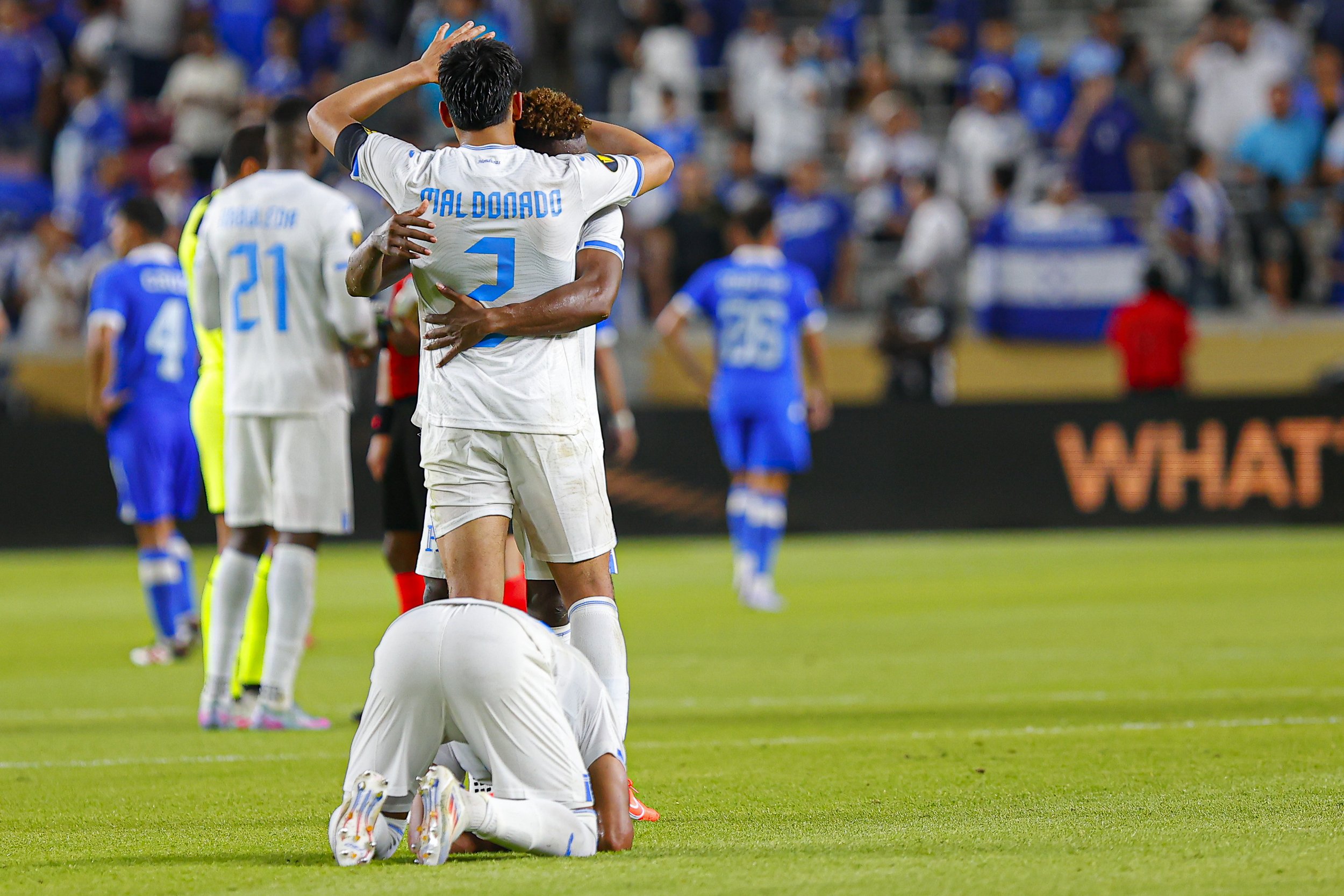
Honduras earned a crucial 2–0 victory over El Salvador at Shell Energy Stadium in Houston in a match that carried significant weight in Group B of the Gold Cup. Both teams entered the contest knowing that points were essential, and the urgency showed immediately in the tempo and physical intensity of the game. Honduras settled into a compact and organized shape, prioritizing defensive stability and quick transitions, while El Salvador controlled longer stretches of possession but struggled to turn that control into clear attacking danger in the final third. The opening phases reflected a tactical contrast, with Honduras willing to absorb pressure and El Salvador attempting to break lines through midfield combinations that ultimately lacked sharpness in the decisive moments.
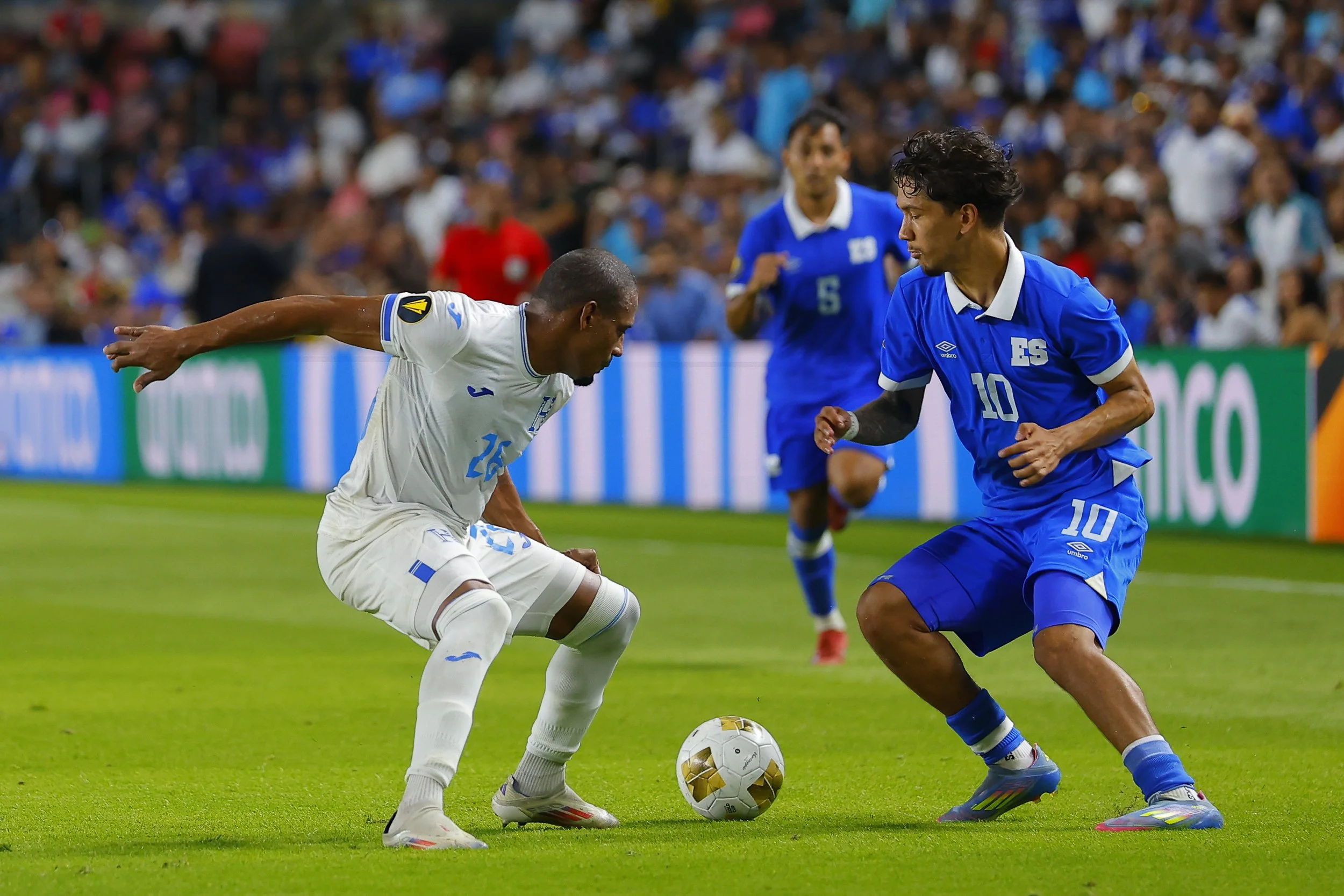
From the outset, Honduras showed patience in their approach, resisting the urge to chase the ball and instead maintaining their structure across midfield and defense. El Salvador tried to stretch the field horizontally, using wide areas to pull defenders out of position, but Honduras stayed compact and disciplined, closing gaps quickly and denying space between the lines. As the half developed, the rhythm of the match increasingly favored Honduras’ game plan, even without them dominating possession. Every turnover became an opportunity to shift into attack, and those moments of transition began to carry more threat than El Salvador’s sustained buildup.
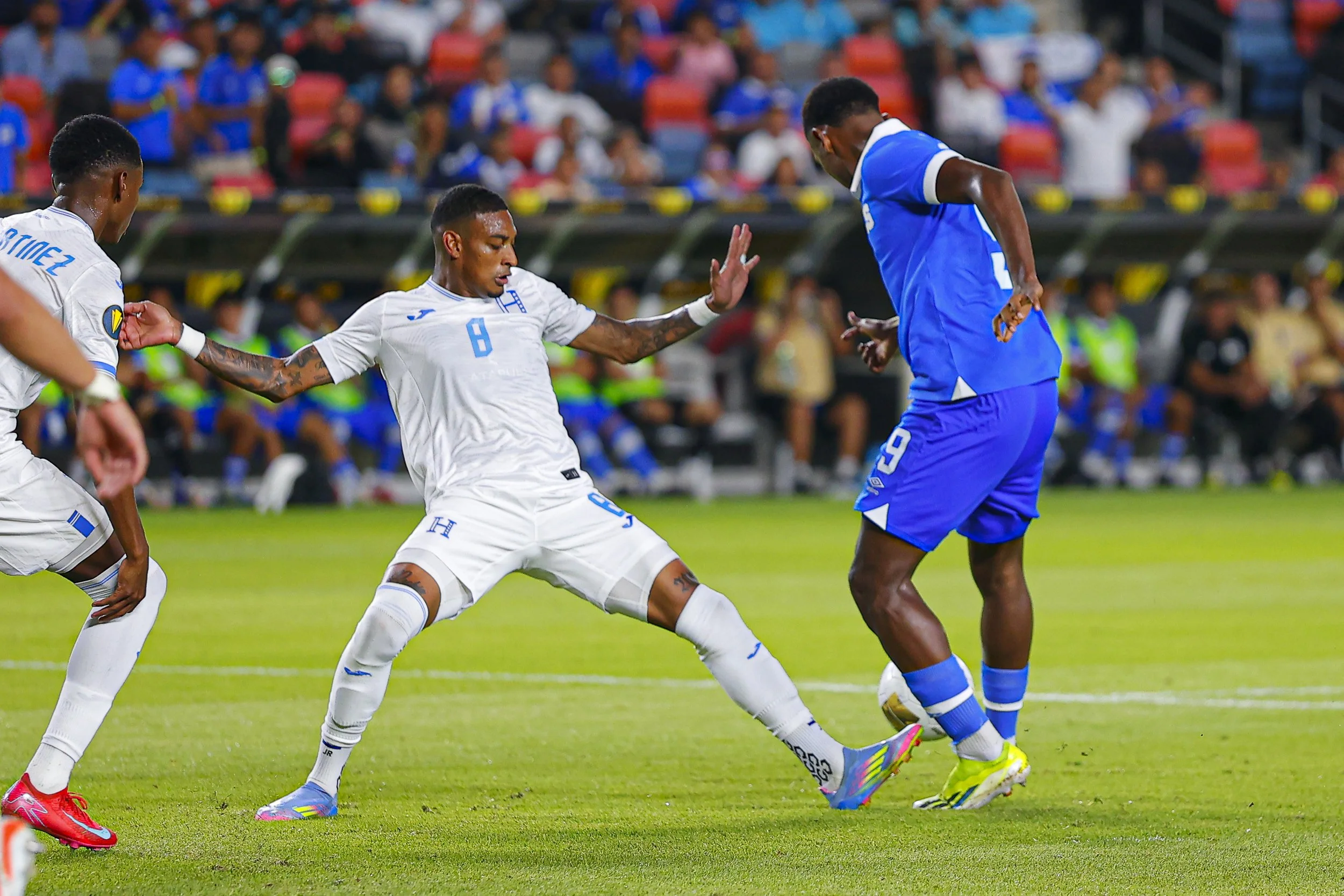
The breakthrough came in the 33rd minute when Romell Quioto finished a well-worked attacking sequence with composure inside the box, giving Honduras the lead against the run of possession. The move was created through intelligent buildup play, including a key pass from Edwin Rodríguez, whose timing and vision helped unlock the defensive structure at a critical moment. El Salvador responded by increasing their attacking pressure and pushing more numbers forward, trying to regain control before halftime. Their most dangerous opportunity came through Brayan Gil, whose chipped attempt narrowly missed and represented one of their best chances to equalize, but Honduras held firm and maintained their defensive discipline going into the break.
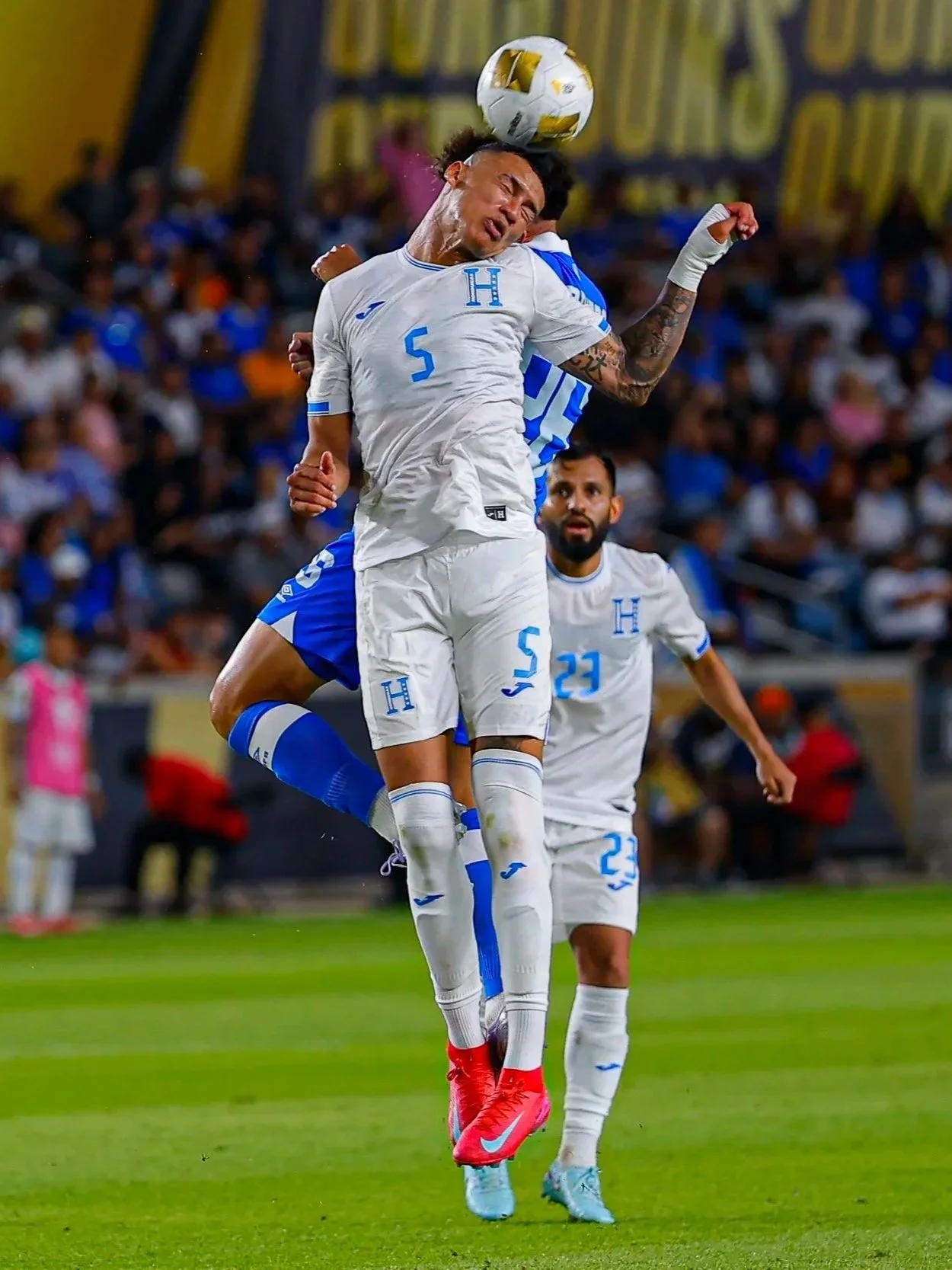
In midfield and defense, Honduras showed the organization and physical commitment needed to protect their lead. Kervin Arriaga played a major role in disrupting El Salvador’s rhythm, consistently breaking up play and winning second balls, while Deybi Flores provided steady work rate and balance, helping his team stay compact under pressure and transition forward when opportunities appeared. The back line remained disciplined throughout, with Luis Crisanto anchoring the defensive structure through smart positioning and clearances, and Joseph Rosales contributing key defensive actions that prevented El Salvador from building consistent attacking momentum. Even as El Salvador continued to hold more possession, they were repeatedly pushed into wide areas and forced into low-quality attempts that rarely troubled the goalkeeper.
As the match progressed into the second half, El Salvador increased their attacking risk in search of an equalizer, committing more players forward and attempting to stretch the game vertically. That shift created space for Honduras to exploit, and they became increasingly dangerous on the counterattack as the game opened up. El Salvador’s pressure never fully translated into breakthrough chances, and their inability to convert possession into penetration left them vulnerable in transition. The decisive moment came in stoppage time when Dixon Ramírez finished a fast break with composure, sealing the 2–0 result and punishing El Salvador’s advanced positioning. Statistically, Honduras had significantly less possession but used it far more effectively, generating higher-quality chances and maintaining defensive control in key areas of the field.
The closing stages reflected Honduras’ ability to manage a match under pressure, slowing the tempo when needed and making smarter decisions in possession rather than forcing attacks. El Salvador continued to push forward, but frustration began to show as repeated entries into the attacking third broke down before a clean shot could be created. Honduras’ defensive unit remained locked in, clearing second balls and forcing El Salvador into rushed decisions. That composure under pressure became one of the defining characteristics of the performance, especially in a match where momentum could have shifted quickly with a single mistake.
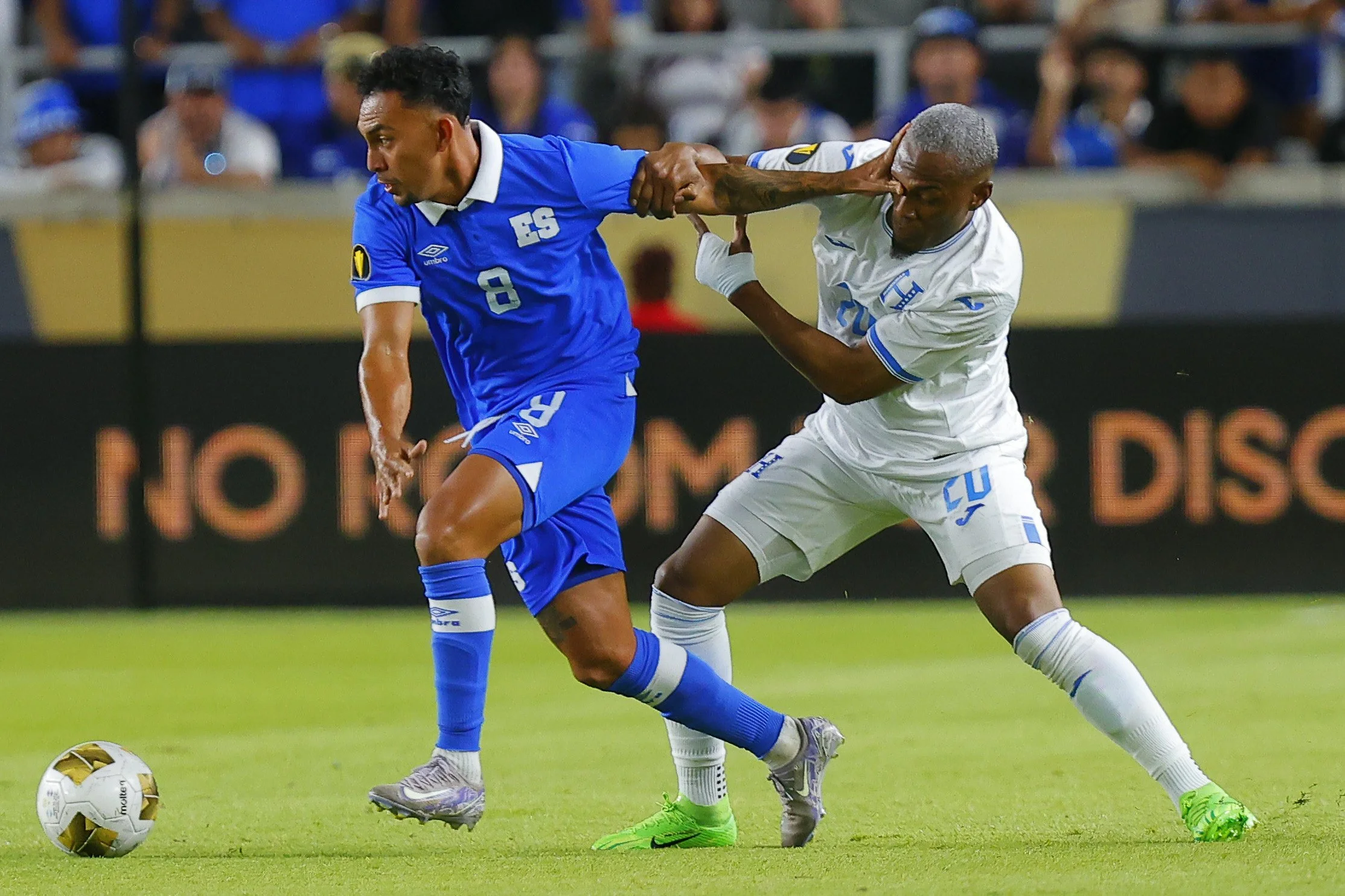
Beyond the tactical execution, Honduras also showed strong game awareness in managing emotional moments throughout the match. With the crowd heavily engaged and both fan bases creating a loud environment, discipline became just as important as technical execution. Fouls were controlled, spacing remained consistent, and communication across the back line helped prevent lapses in concentration. These small details contributed to a performance that, while not dominant in possession, was controlled in almost every other phase of the game.
El Salvador’s frustrations grew as the match wore on, particularly as they continued to struggle in breaking down a compact defensive block. Their midfield combinations often stalled before reaching the final third, and when they did manage to advance, Honduras was quick to collapse around the ball. The lack of clear central penetration forced El Salvador into lower-percentage shots and hopeful deliveries rather than structured chances. That inefficiency ultimately defined their night and left them chasing the game without clear solutions.
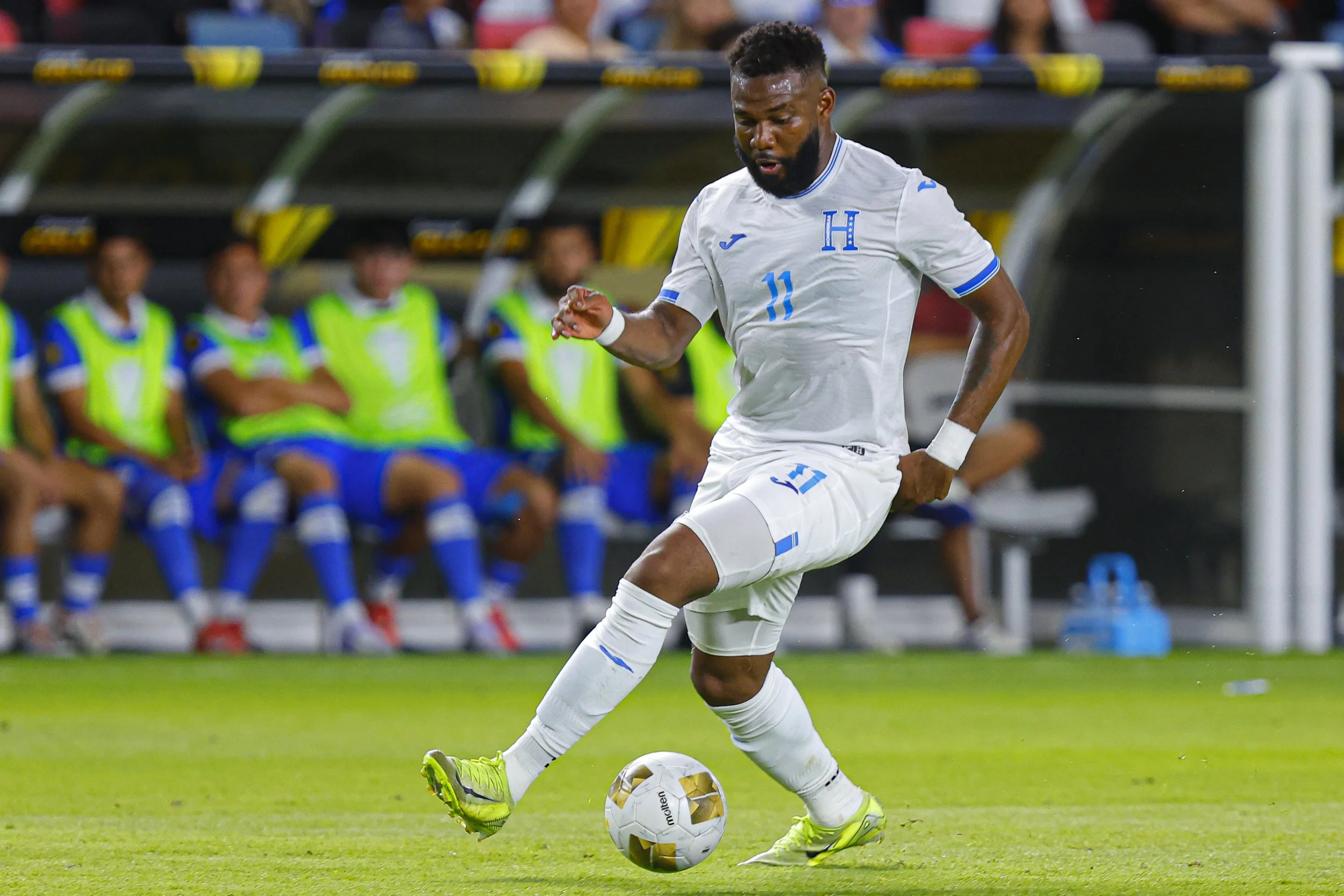
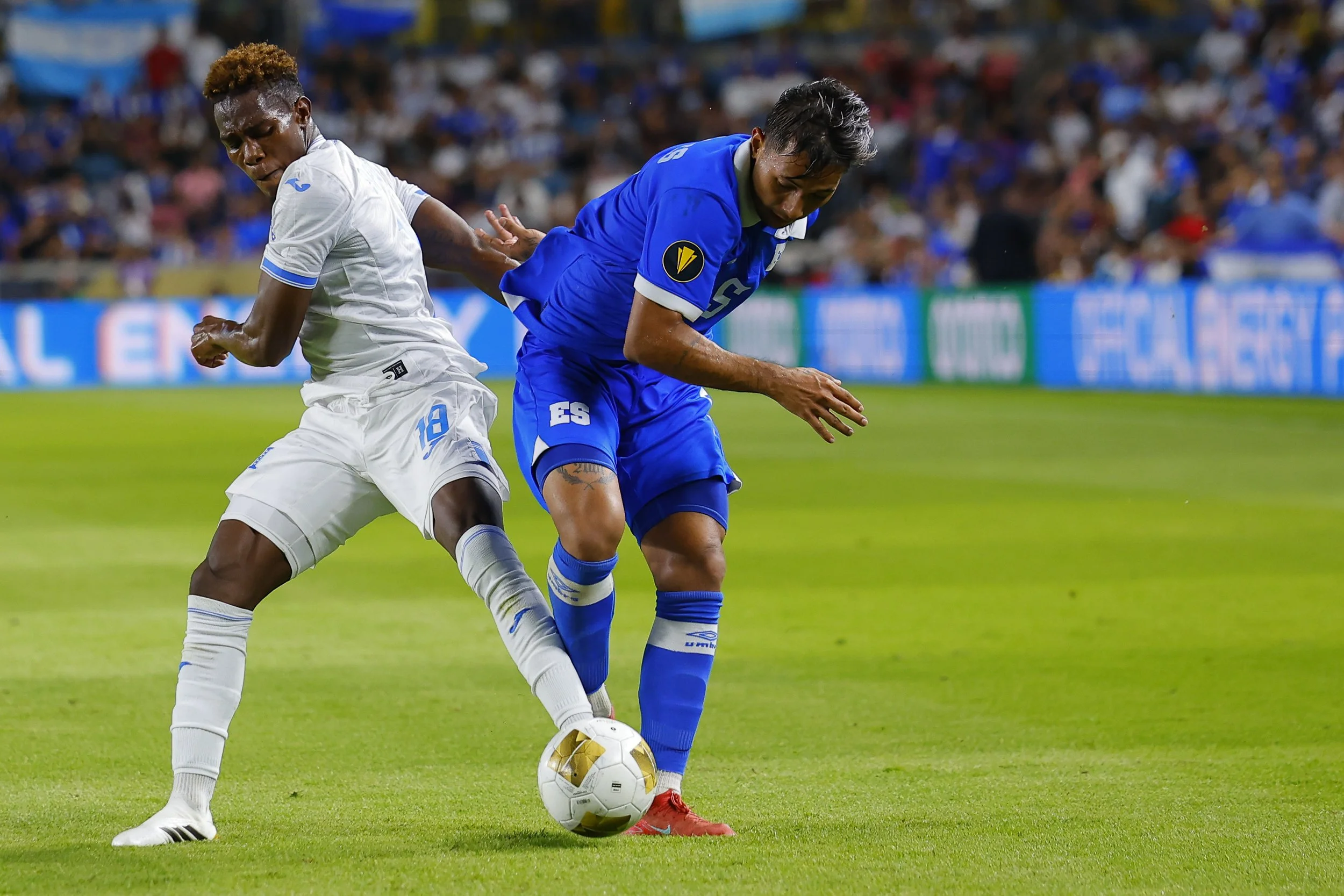
By the final whistle, Honduras had executed a clear and disciplined game plan built on structure, patience, and efficiency in transition. The result strengthened their position in the group and kept qualification hopes firmly alive heading into the final matchday, while El Salvador was left with a more difficult path forward after failing to convert possession into productivity in the attacking third. The atmosphere throughout the match was intense, with more than 20,000 fans inside the stadium creating a constant backdrop of noise and energy that reflected the rivalry and stakes on the field. In the end, Honduras walked away with a well-earned victory defined by defensive organization, midfield discipline, and clinical finishing at the moments that mattered most.
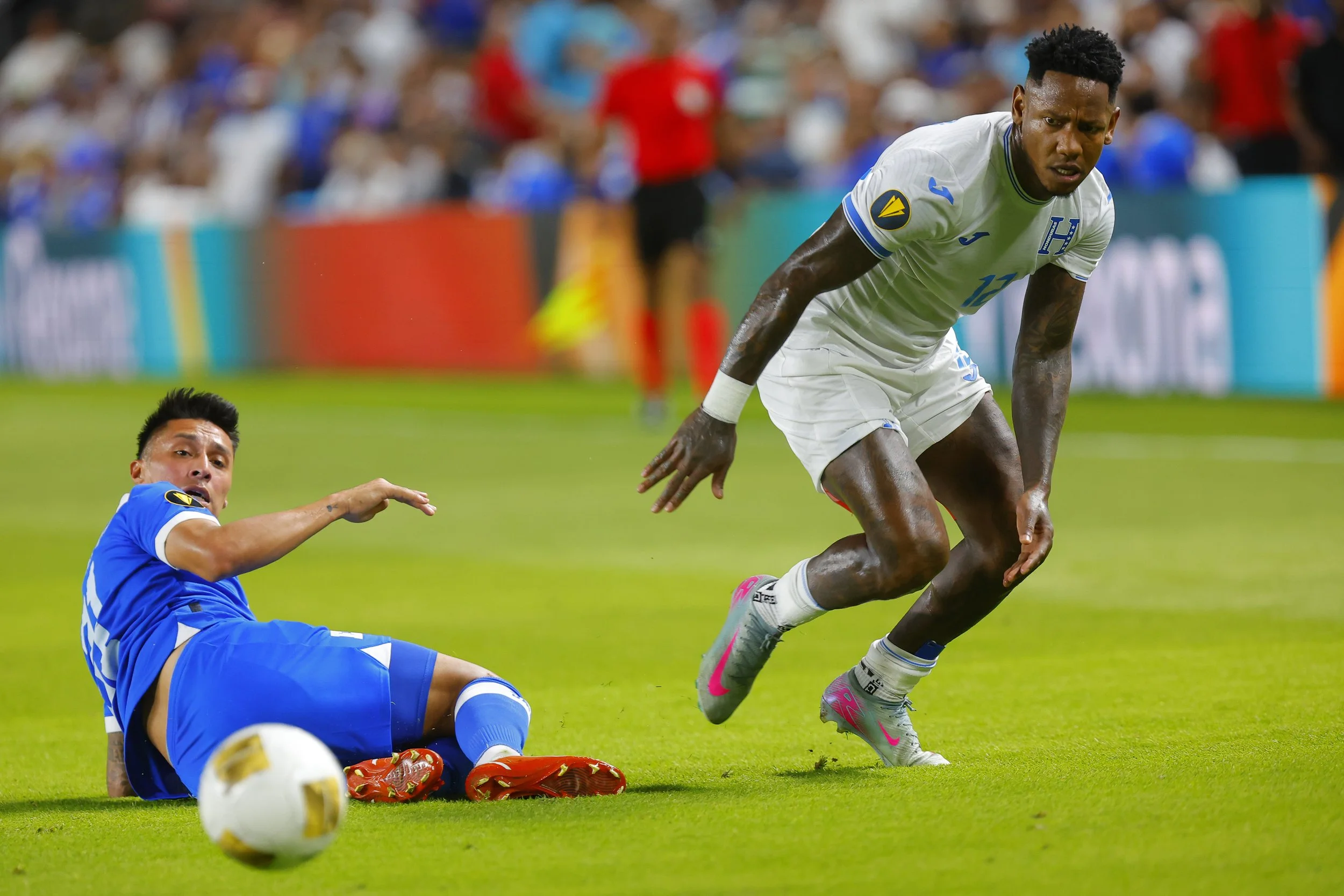
As the match progressed into the second half, El Salvador increased their attacking risk in search of an equalizer, committing more players forward and attempting to stretch the game vertically. That shift created space for Honduras to exploit, and they became increasingly dangerous on the counterattack as the game opened up. El Salvador’s pressure never fully translated into breakthrough chances, and their inability to convert possession into penetration left them vulnerable in transition. The decisive moment came in stoppage time when Dixon Ramírez finished a fast break with composure, sealing the 2–0 result and punishing El Salvador’s advanced positioning. Statistically, Honduras had significantly less possession but used it far more effectively, generating higher-quality chances and maintaining defensive control in key areas of the field.
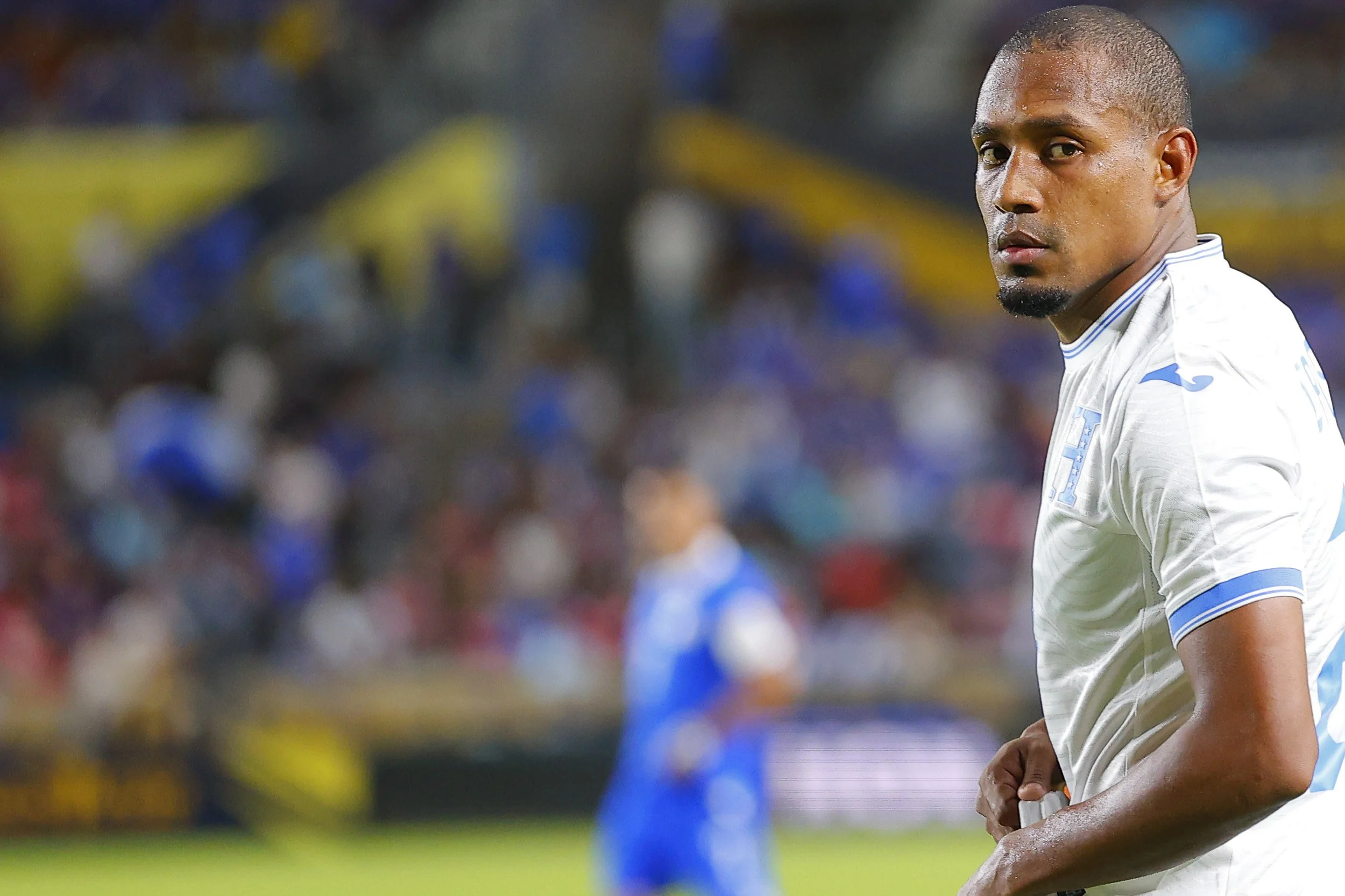
By the final whistle, Honduras had executed a clear and disciplined game plan built on structure, patience, and efficiency in transition. The result strengthened their position in the group and kept qualification hopes firmly alive heading into the final matchday, while El Salvador was left with a more difficult path forward after failing to convert possession into productivity in the attacking third. The atmosphere throughout the match was intense, with more than 20,000 fans inside the stadium creating a constant backdrop of noise and energy that reflected the rivalry and stakes on the field. In the end, Honduras walked away with a well-earned victory defined by defensive organization, midfield discipline, and clinical finishing at the moments that mattered most.