
Alamo Bowl: How USC Let It Slip and TCU Took It
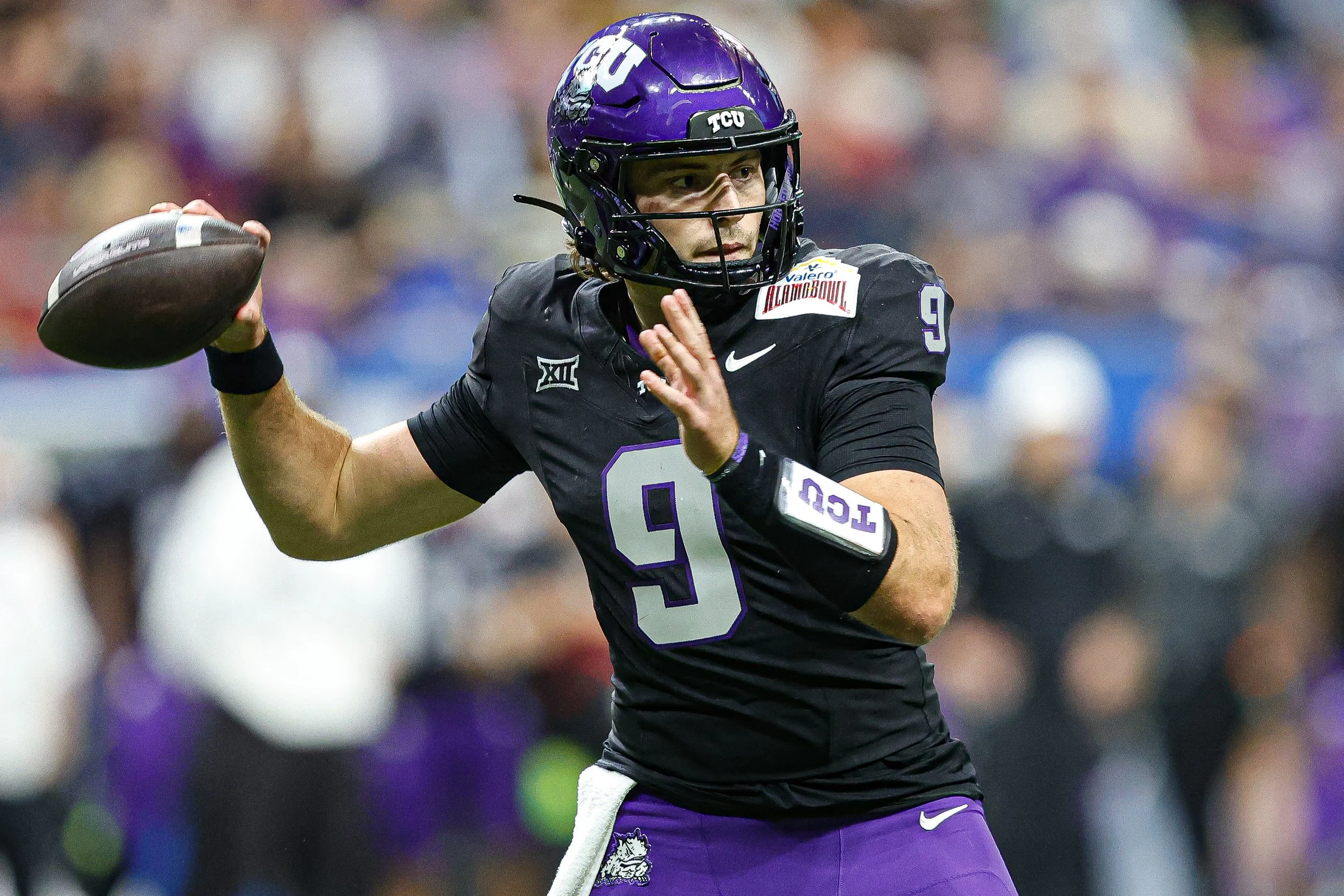
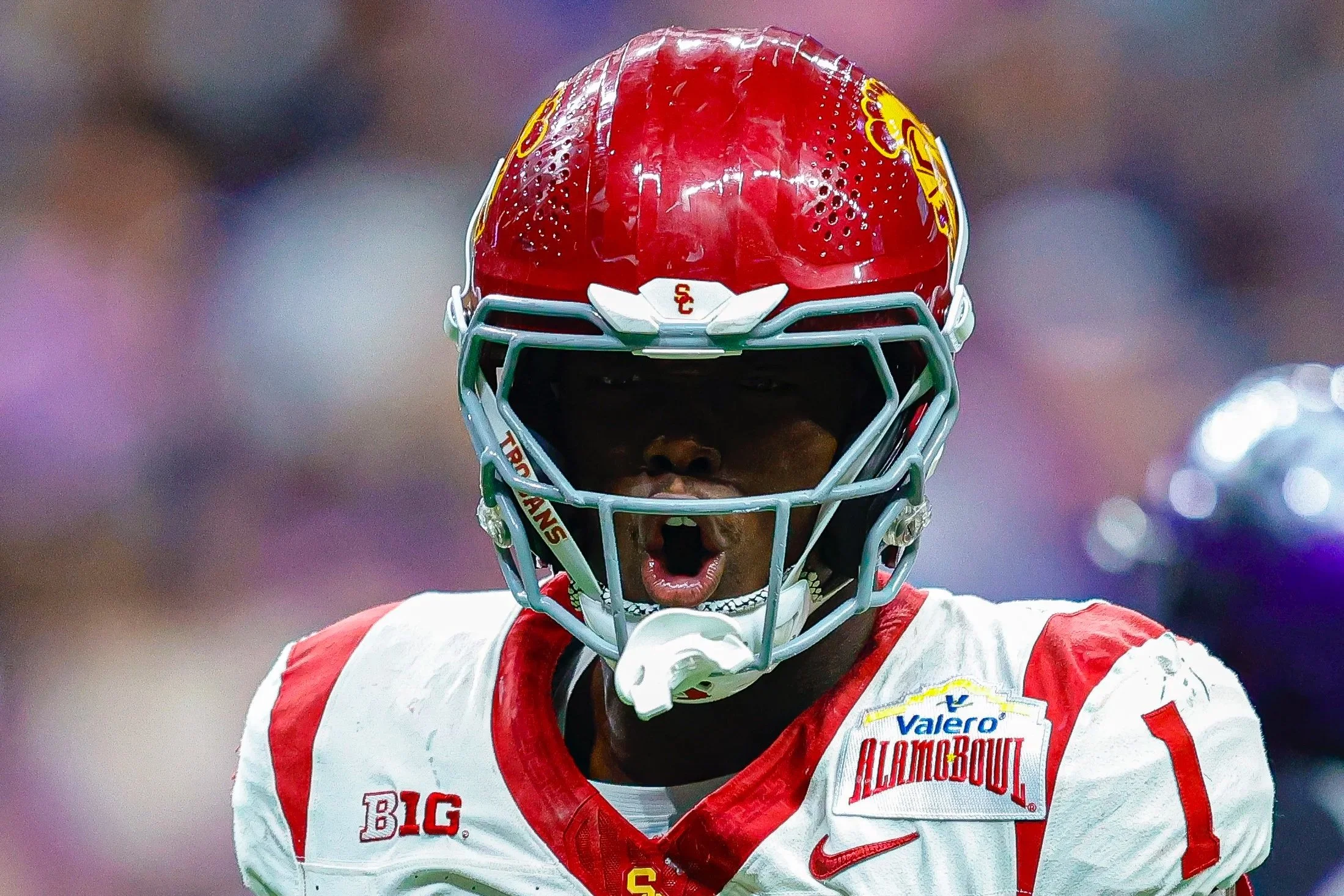
The 2025 Valero Alamo Bowl came down to execution, not spectacle. Inside the Alamodome, USC and TCU played a game that swung slowly before snapping all at once. What looked like a controlled finish for the Trojans became a defining comeback for the Horned Frogs.
USC entered the matchup ranked and favored, carrying the expectation of closing the season with a statement win. Early on, they looked the part. The Trojans moved the ball efficiently, took advantage of field position, and built a lead while keeping TCU from finding any early rhythm.
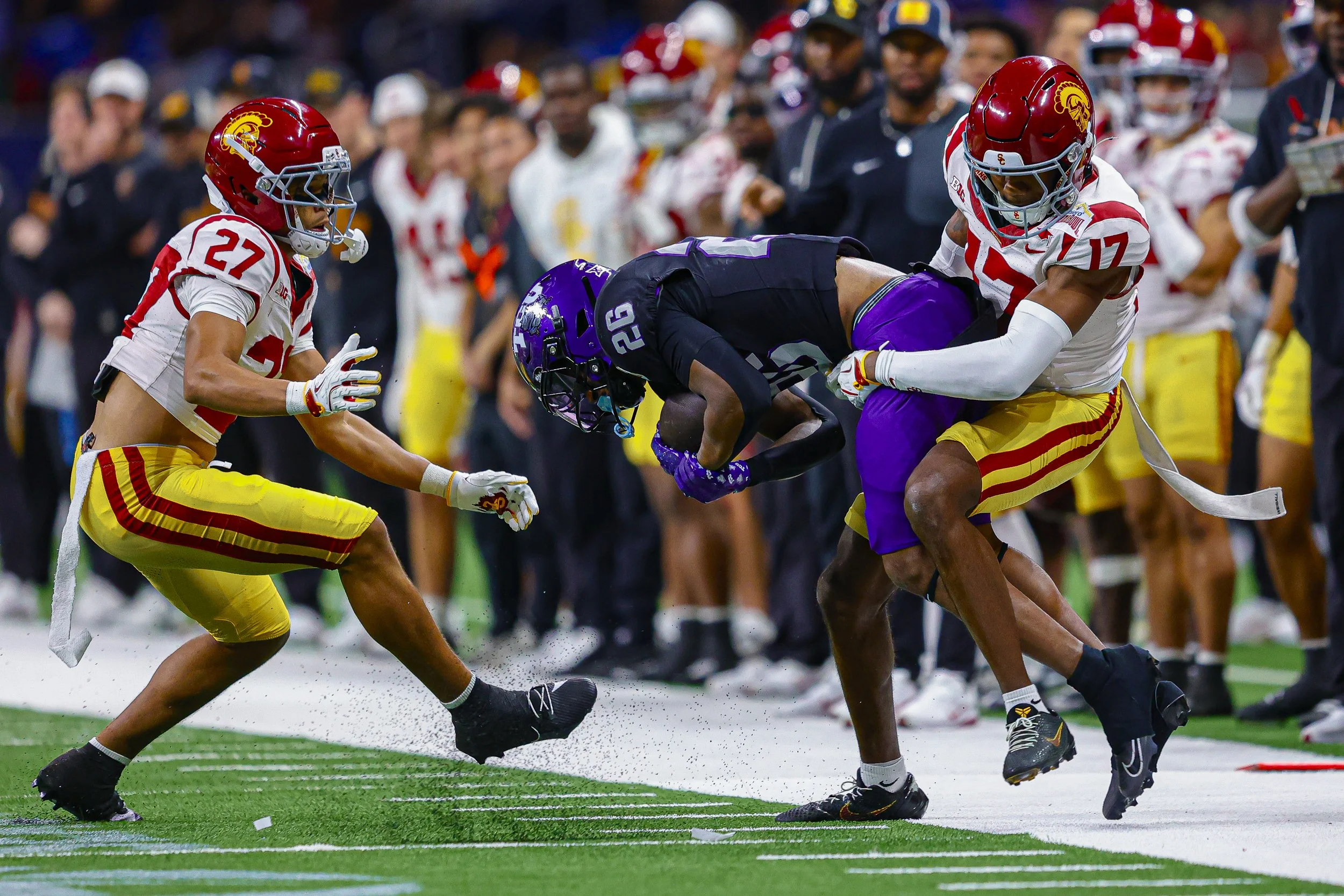
Despite that control, USC left points on the field. Turnovers disrupted drives, stalled momentum, and repeatedly gave TCU short fields. Even so, USC still held the advantage at halftime, leading by a single point and appearing positioned to separate in the second half.
The Trojans extended their lead after the break, highlighted by a one-handed touchdown catch that momentarily silenced any thoughts of a comeback. At that point, USC had done enough to win — but not enough to finish.
TCU stayed patient. The Horned Frogs didn’t force big plays or abandon balance. They leaned on their run game, trusted their protection, and waited for USC to open the door. That discipline kept the deficit manageable heading into the fourth quarter.
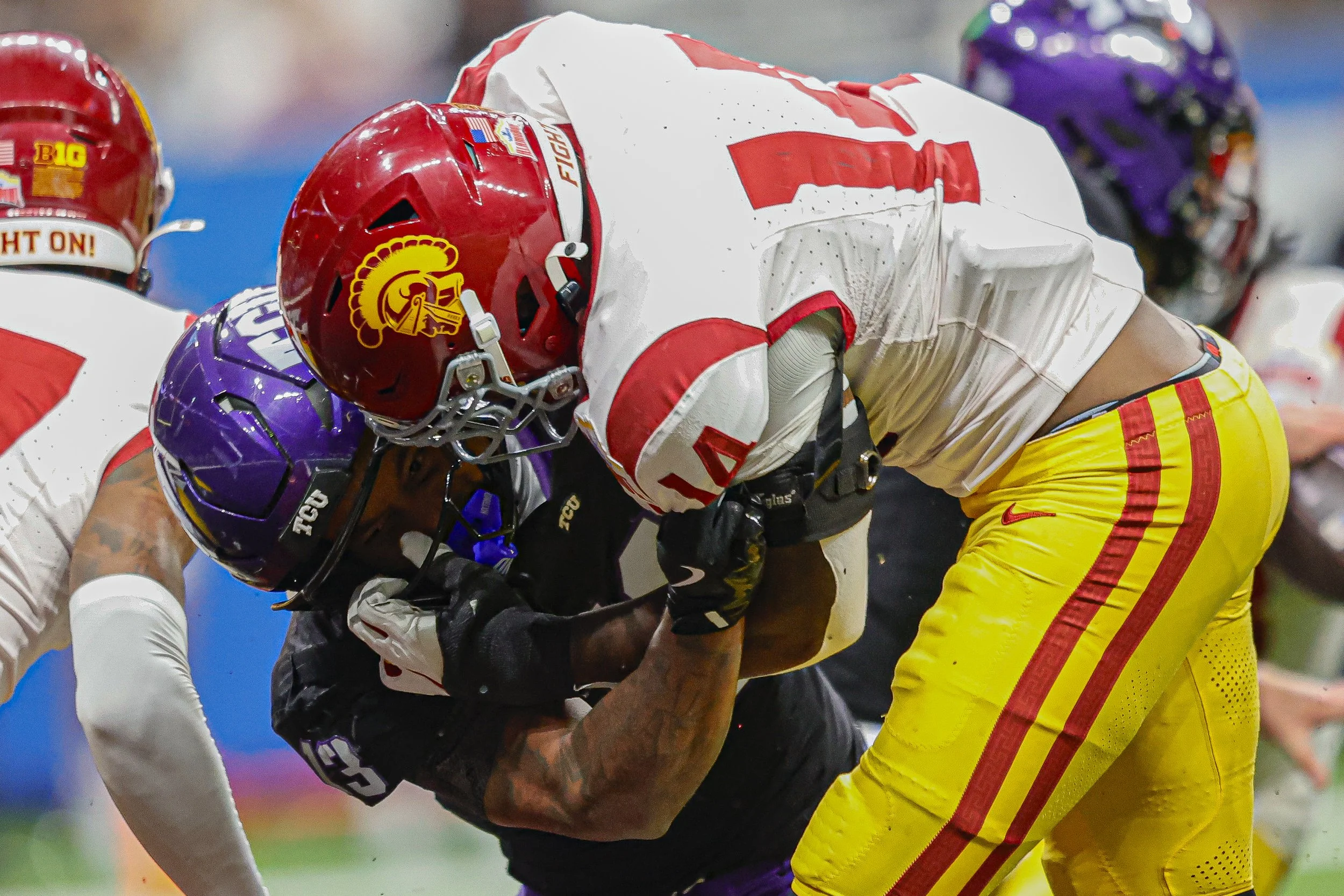
The turning point came late. TCU found the end zone to cut into the lead, then relied on its defense to get the ball back one more time. A clutch field goal as time expired tied the game at 27 and sent it to overtime, shifting momentum entirely.
Overtime magnified the difference between the two teams. USC struck first but settled for a field goal, leaving the margin thin. In a game defined by missed chances, that decision proved costly.
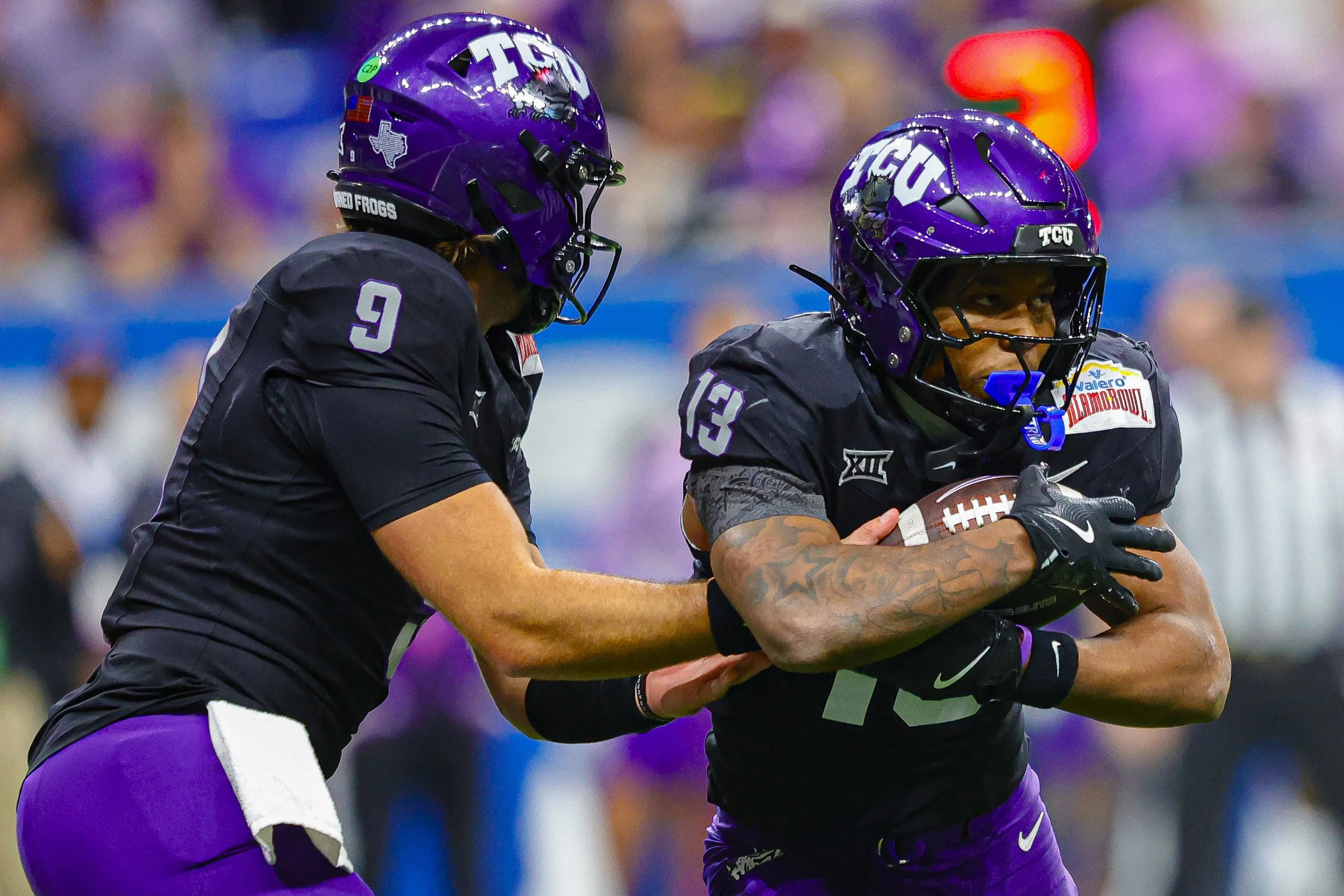
TCU responded without hesitation. On third-and-long, backup quarterback Ken Seals checked the ball down to running back Jeremy Payne. What followed was the defining moment of the night — broken tackles, open field, and a 35-yard walk-off touchdown that ended the game instantly.
The numbers reinforce the story. TCU outscored USC 10–0 in the fourth quarter and overtime. USC’s turnovers directly influenced momentum, while TCU capitalized on nearly every late opportunity it was given.
In the end, the Alamo Bowl wasn’t about which team had more talent. It was about who stayed composed when the margin disappeared. TCU believed, USC blinked, and the result was a 30–27 finish that turned control into regret and patience into celebration.